
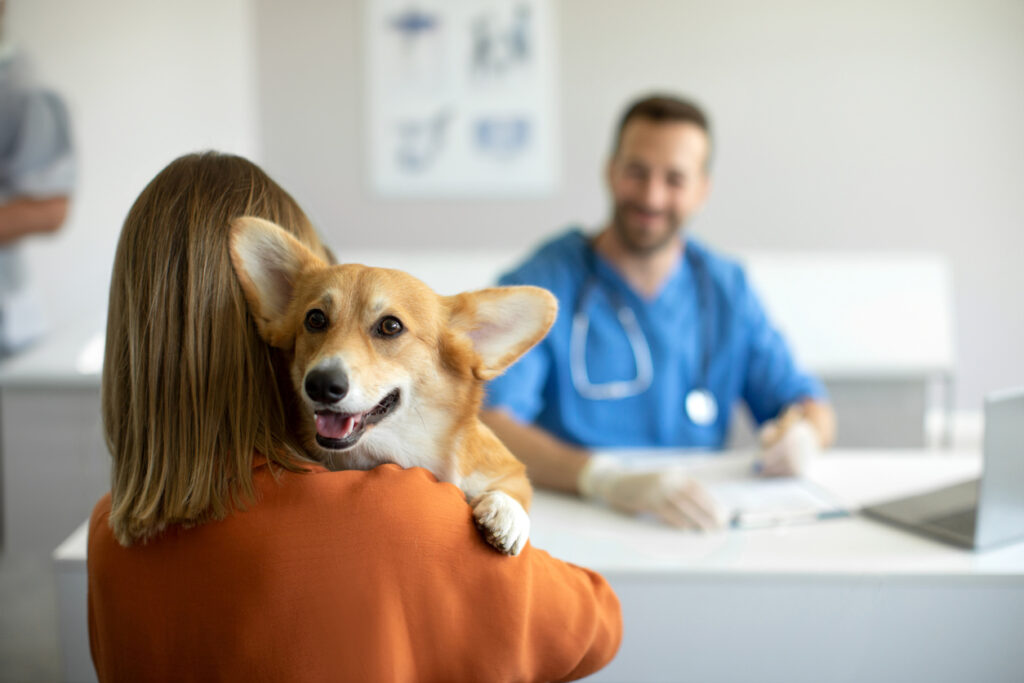
For many pets and pet owners, a veterinary visit can bring stress, anxiety, and a lot of unknowns. The good news is that with a little preparation, routine vet visits can be calmer, smoother, and even positive experiences. As a veterinarian, I’ve seen how small steps at home can make a big difference once you walk through the clinic door.
Here are some ways on how to prepare your pet for a vet visit:
Create Familiarity with Vet Visit Routines at Home
Pets often associate carriers, car rides, or leashes with something unpleasant. Leaving carriers out in a common area at home, taking short practice car rides, or gently handling your pet’s paws, ears, and mouth can help them feel more comfortable with what happens during a vet exam. These simple habits support better pet wellness and reduce anxiety during veterinary visits.
Keep Your Pet Comfortable on the Day of the Visit
On the day of the appointment, try to keep your routine as normal as possible. For dogs, a short walk beforehand can help release nervous energy. For cats, using a secure, comfortable carrier and covering it with a light towel can help them feel safe. For cats, Feliway spray applied to the towel an hour before the ride can help. Click here to explore Feliway. Bring along some favorite treats, familiar blankets or toys to help provide comfort and reduce stress for both dogs and cats.
Share Important Health Details with Your Veterinarian
One of the best ways pet owners can help is by being ready to share details. Make note of any changes in behavior, appetite, energy level, or bathroom habits, and bring a list of medications or supplements your pet takes. This information can help your veterinarian provide the best care and keeps the visit efficient and focused.
Stay Calm to Help Your Pet Feel at Ease
Pets are incredibly sensitive to their owners’ emotions. Speaking calmly, moving slowly, and staying relaxed can help your pet feel more at ease. If you’re anxious, your pet may be too. A calm presence goes a long way in reducing pet stress during a veterinary visit. As a veterinarian, I often sit on the bench next to the pet for the exam so that they have the impression that we are just visiting.
Build Positive Experiences Through Routine Wellness Visits or ” Happy visits”
Not every veterinary visit has to be tied to illness. Routine wellness exams help pets become familiar with the clinic environment and allow issues to be caught early. Over time, these positive, low-stress experiences support long-term dog health, cat health, and overall pet wellness.
Preparing your pet for a veterinary visit takes consistency and patience, but with simple preparation, vet visits can become a manageable and even reassuring part of caring for your pet’s health.
Many vets are happy to support ” happy visits”. These are times you just bring your pet into the office, give them a treat and a pet in an exam room and then go home. There is usually nto a charge for this service and it can associate the trip with a place that is fun, and has treats where people love me.
About Dr. Sherry Weaver
Dr. Sherry Weaver, DVM, is an Atlanta-based, Fear Free–certified veterinarian with more than 33 years of experience in general practice, emergency response, surgery, and medical care. She is the founder of Animal Hospital of Towne Lake in Woodstock, GA, and currently focuses on emergency and critical care, mentoring young veterinarians, and continually raising the standard of care for pets and the families who love them.
Frequently Asked Questions About Vet Visit Preparation
How can I reduce my pet’s anxiety before a vet visit?
Use positive reinforcement, keep carriers visible at home, take short car rides, and handle your pet gently to build familiarity. These steps reduce fear and help your pet feel more comfortable.
What should I bring to a vet appointment?
Bring medical records, a list of medications or supplements, and notes on recent behavior changes. Familiar items like toys or blankets can also help your pet feel safe during the visit.
Should I feed my pet before a vet visit?
Unless your vet advises fasting, a light meal is usually fine. Avoid feeding right before travel to prevent nausea. For some procedures, your vet may request no food — always confirm in advance.
Why is my pet more nervous when I’m anxious?
Pets are highly sensitive to your tone, energy, and body language. If you’re stressed, your pet can mirror that anxiety. Staying calm helps your pet stay calm too.
How often should my pet see the vet for routine care?
Most pets benefit from annual wellness exams. Older animals or those with medical conditions may need more frequent checkups. Regular visits help catch health issues early and keep your pet thriving.